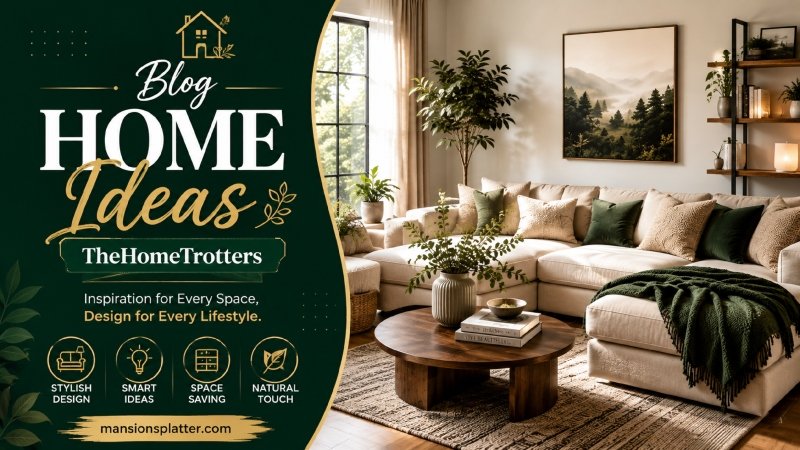
What if you could make your home feel more beautiful, comfortable, and organized without starting an expensive renovation? TheHomeTrotters Blog Home Ideas In many cases, you don’t need new furniture or a complete redesign. A smarter layout, better lighting, useful storage, and a few personal touches can change the way a room looks and feels.
The thehometrotters blog home ideas concept brings together practical inspiration for people who want their homes to work better while still looking stylish. TheHomeTrotters Blog Home Ideas Whether you live in a compact apartment, a family house, or a larger property, the same principle applies: good home design should support real life.
Your home is where you relax after a long day, prepare meals, work, spend time with family, and welcome guests. TheHomeTrotters Blog Home Ideas Therefore, the best improvements are not simply attractive. They solve problems.
Maybe your living room feels crowded. Perhaps your bedroom lacks storage, your kitchen has limited counter space, or your home office feels distracting. Instead of changing everything at once, identify the biggest issue and make one thoughtful improvement.
The result can be surprisingly powerful.
Why Smart Home Design Starts With Function
A room can look impressive and still be uncomfortable to use.
Imagine a living room filled with beautiful furniture but with barely enough space to walk between the sofa and table. Or picture a kitchen with stylish accessories covering most of the counter. TheHomeTrotters Blog Home Ideas The space may look attractive, but everyday activities become frustrating.
That is why functionality should come before decoration.
Before buying anything, consider how you actually use the room. Where do people sit? Where do belongings accumulate? Which objects do you use every day? Where does natural light enter? Which areas feel difficult to move through?
These questions reveal opportunities that decorative shopping alone cannot solve.
Once the practical foundation works, you can add color, texture, artwork, plants, and accessories without making the space feel forced.
Decide What You Want Your Home to Feel Like
Before choosing colors or furniture, define the atmosphere you want.
Do you want your living room to feel warm and social? Should your bedroom feel peaceful? Does your kitchen need to feel bright and energetic? Would you like your workspace to encourage focus?
This simple decision gives your decorating choices direction.
For example, a relaxing bedroom may benefit from soft colors, warm lighting, comfortable textiles, and minimal visual clutter. TheHomeTrotters Blog Home Ideas A social living room may need flexible seating, layered lighting, and enough open space for conversation.
You don’t have to follow a single design style throughout your entire home. What matters more is creating a sense of connection between rooms.
Choose a Flexible Color Foundation
A simple base palette makes future decorating much easier.
Neutral shades such as warm white, beige, cream, soft gray, and natural wood can provide a flexible foundation. TheHomeTrotters Blog Home Ideas You can then introduce stronger colors through artwork, cushions, rugs, curtains, or smaller furniture pieces.
This approach also makes seasonal changes easier. Instead of repainting an entire room, you can change a few accent pieces when you want a fresh appearance.
Transform Your Living Room
The living room is often the busiest room in the house, so it deserves careful planning.
Start with furniture placement. Don’t automatically push every piece against the wall. Try different arrangements and consider how people naturally move through the room.
The sofa should usually provide a clear anchor. Chairs and other seating can then be positioned to encourage conversation without blocking walkways.
A properly sized rug can help bring the furniture together and visually define the seating area.
Create One Strong Focal Point
A room becomes easier to design when it has a clear visual center.
A fireplace, large window, artwork, media wall, statement chair, or feature wall can serve this purpose.
Once you’ve selected the focal point, keep surrounding décor relatively controlled. If everything competes for attention, nothing feels important.
Add Comfort Through Texture
Texture can make a living room feel warmer without requiring a major makeover.
Combine materials such as soft upholstery, woven fabrics, wood, glass, metal, and natural fibers. Add a rug or throw where appropriate, but avoid filling every surface.
A few contrasting textures usually create more visual interest than a room packed with decorations.
Create a More Restful Bedroom
Your bedroom should help you slow down at the end of the day.
Start by keeping the area around the bed reasonably clear. Too many objects can make a relaxing space feel visually busy.
Comfortable bedding is an obvious improvement, but lighting often makes an equally important difference. A warm bedside lamp can create a much softer evening atmosphere than a bright ceiling fixture.
Make the Bed a Visual Anchor
Because the bed is usually the largest object in the room, it naturally becomes a focal point.
You can emphasize it with coordinated bedding, a simple headboard, artwork, or a carefully chosen wall color.
You don’t need expensive décor. A well-made bed with balanced colors and a clean surrounding area can make the entire bedroom feel more polished.
Improve Bedroom Storage
If clothing and personal belongings constantly appear on chairs or floors, the problem may not be discipline. The room may simply lack convenient storage.
Consider under-bed storage, wardrobe organizers, vertical shelving, or drawers.
Keep frequently used items easy to reach and move seasonal belongings into less accessible areas.
The best storage system is one that fits naturally into your routine.
Make Your Kitchen Work Harder
A kitchen needs to support movement, preparation, cooking, and cleaning.
Start by clearing unnecessary items from the countertop. A clean work surface immediately makes a kitchen feel more organized.
Then organize items according to frequency of use. Keep everyday cooking tools close to your main preparation area, while rarely used appliances can go into cabinets or higher storage.
Use Walls to Save Counter Space
When floor and counter space are limited, walls become valuable.
Shelves, hooks, rails, and suitable wall-mounted organizers can help free up working areas.
However, don’t turn every wall into storage. Too many visible objects can create visual clutter. Keep frequently used or attractive items visible and store everything else where possible.
Improve Kitchen Lighting
Good kitchen lighting isn’t only decorative.
Task lighting can make food preparation easier, while general lighting keeps the room comfortable. Under-cabinet illumination can also reduce shadows across work surfaces.
Think about what you do in each area of the kitchen and light accordingly.
Turn Small Spaces Into Useful Spaces
Small homes don’t necessarily need less design. They need smarter design.
When space is limited, every piece of furniture should earn its place.
A storage bench can provide seating and hidden storage. A folding desk can create a workspace when needed. A compact table can serve as both a dining surface and occasional work area.
Use Vertical Space
One of the most overlooked resources in a small home is wall space.
Tall shelves and cabinets can provide additional storage without consuming as much floor area as wider furniture.
Vertical design can also draw the eye upward, making a compact room feel more spacious.
Don’t Overdecorate
A common mistake is trying to compensate for a small room by adding more decoration.
The opposite usually works better.
Keep the floor relatively clear, choose appropriately sized furniture, and allow some empty space around important pieces.
An uncluttered room often feels larger than a room filled with attractive objects.
Use Lighting as a Design Tool
Lighting is more than a practical necessity. It changes how you perceive the entire room.
A single ceiling fixture can provide enough visibility but still make a space feel flat. Layered lighting creates more flexibility.
Use general lighting for overall brightness, task lighting for activities, and accent lighting to draw attention to selected features.
Make Natural Light Work for You
Natural light can make a room feel brighter and more open.
Keep windows clean and avoid blocking them with oversized furniture. Choose window treatments that give you privacy while still allowing useful daylight into the room.
Mirrors can reflect light and create a stronger sense of openness when positioned thoughtfully.
Instead of adding mirrors everywhere, place one where it can actually improve the room.
Bring Nature and Natural Materials Indoors
Natural elements can make modern interiors feel warmer.
Plants are an easy starting point. They add color and soften rooms dominated by hard surfaces.
You can also introduce wood, stone, woven materials, linen, cotton, and other natural textures.
The goal isn’t to create a themed room. A few natural elements can be enough to change the atmosphere.
Choose Practical Plants
Don’t choose plants solely because they look attractive online.
Consider how much natural light your room receives and how much maintenance you’re prepared to provide.
A low-maintenance plant in the right location will usually contribute more to your home than a demanding plant that struggles to survive.
The same principle applies to every home improvement: choose what works in your actual environment.
Build Storage Into Your Design
Storage should not be an afterthought.
When belongings don’t have designated places, clutter returns quickly. Therefore, consider storage while planning furniture and room layouts.
Use drawers, cabinets, shelves, baskets, storage beds, benches, and other appropriate solutions.
Organize According to Your Routine
Think about where clutter appears naturally.
If keys always end up on the kitchen counter, create a small storage point near the entrance. If blankets constantly sit on the sofa, use a nearby basket. If paperwork collects on a desk, add a simple filing or sorting system.
This is more effective than simply buying random organizers.
Your storage system should follow your habits rather than force you to completely change them.
Create Flexible Multi-Purpose Rooms
Modern homes often need rooms to perform more than one job.
A spare bedroom might function as a guest room and home office. A living room may need to accommodate relaxation, entertainment, and occasional work.
The solution is zoning.
Use furniture placement, rugs, shelving, lighting, or subtle changes in color to visually separate activities without physically dividing the room.
Choose Furniture That Can Adapt
Flexible furniture can be particularly useful in smaller homes.
Folding tables, movable seating, storage ottomans, nesting tables, and modular furniture can change according to the situation.
The goal is not to fill the room with clever furniture. It is to choose pieces that genuinely make the space more useful.
Refresh Your Home Without a Large Budget
A home makeover doesn’t automatically require a large budget.
Before buying anything, shop your own home.
Move artwork from one room to another. Rearrange furniture. Change cushions or throws between spaces. Remove decorations that no longer work.
You may discover that the room doesn’t need new furniture at all.
Spend Money Where It Matters
When you do decide to purchase something, prioritize improvements that solve a real problem.
Better lighting may be more valuable than another decorative object. Useful storage may improve daily life more than an expensive accessory.
Paint, hardware, textiles, lighting, and organization can sometimes create a substantial visual improvement without requiring a full renovation.
Add Personality Without Creating Clutter
A home should feel like it belongs to the people who live there.
Photographs, books, artwork, souvenirs, handmade objects, and meaningful gifts can give a room character.
However, personalization doesn’t mean displaying everything you own.
Select pieces that matter and give them enough space to be noticed.
Tell a Story Through Your Décor
Instead of choosing random decorations, think about what you want visitors to understand about you.
A small collection of travel photographs can tell a story. Favorite books can reveal interests. Artwork can establish mood. Handmade pieces can add warmth.
When décor has meaning, the home feels more authentic.
Make Your Entryway More Useful
The entrance is one of the first areas you see when coming home, yet it often becomes a dumping ground.
A small shelf, console, basket, or wall-mounted organizer can give everyday items a designated location.
A mirror can add visual depth, while a small piece of artwork can make the entrance feel more welcoming.
Keep the area functional. If there isn’t enough room for a large piece of furniture, use the wall instead.
Improve Your Bathroom With Simple Changes
Bathrooms don’t always need expensive renovations to feel better.
Start by reducing visible clutter. Keep only frequently used products within easy reach and organize everything else.
Coordinated towels, suitable lighting, simple storage, and a few carefully selected accessories can create a cleaner appearance.
If you’re considering a larger upgrade, focus first on improvements that affect daily use, such as storage, lighting, fixtures, and ventilation.
A stylish bathroom is useful, but a practical bathroom is easier to enjoy every day.
Avoid Home Decorating Mistakes
Good intentions can still produce poor results when planning is skipped.
One of the biggest mistakes is buying furniture before measuring. Always check dimensions and consider doors, windows, walkways, and existing furniture.
Another problem is using too many unrelated colors. A controlled palette generally creates stronger visual harmony.
Poor lighting is another common issue. Even attractive furniture can look less appealing when a room is badly illuminated.
Finally, avoid filling every empty surface. Empty space provides visual breathing room and can make your home feel more sophisticated.
A Practical Room-by-Room Refresh Plan
If your whole home needs attention, don’t try to complete everything simultaneously.
Step 1: Start With the Biggest Problem
Choose the room that causes the most frustration.
Maybe the living room feels crowded or the kitchen lacks organization. Fix the biggest issue first.
Step 2: Remove Unnecessary Items
Declutter before buying anything.
Get rid of broken items, unused objects, and things that no longer belong in the room.
Step 3: Rearrange Existing Furniture
Try several layouts before deciding what the room needs.
Take your time. Sometimes the best solution is already inside the room.
Step 4: Improve Lighting and Storage
These two areas often produce some of the biggest practical improvements.
Make sure the room has enough light for its activities and enough storage for everyday belongings.
Step 5: Add Personality
Only after the practical elements are working should you finish with artwork, plants, textiles, and decorative pieces.
This approach creates a home that feels both attractive and useful.
Frequently Asked Questions
How can I improve my home without spending much money?
Start with decluttering and rearranging furniture. Then improve lighting, reorganize storage, and reuse décor you already own. Spend money only on changes that solve genuine problems.
What makes a home look more expensive?
Consistency, appropriate furniture scale, good lighting, uncluttered surfaces, coordinated colors, and carefully selected accessories can create a more polished appearance without requiring luxury materials.
How can I make a small room feel larger?
Use furniture that fits the room, keep walkways clear, use vertical storage, maximize natural light, and avoid unnecessary decoration. Mirrors can also help create a stronger sense of openness.
What is the most important part of home design?
Function should come first. A beautiful room that is difficult to use will become frustrating over time. Design your space around your real routines and then add decorative details.
Should every room follow the same style?
Not necessarily. Different rooms can have different personalities. However, repeating a few colors, materials, or design elements throughout the home can create a sense of connection.
How often should I redecorate?
There is no fixed schedule. Instead of completely redesigning your home according to trends, make changes when a space stops working for your lifestyle or when you genuinely want to refresh it.
Final Thoughts
The strongest thehometrotters blog home ideas are not about creating a perfect showroom. They’re about creating a home that looks good, functions naturally, and feels comfortable every day.
You don’t need to replace everything to make a meaningful improvement. A better furniture arrangement can open up a room. Better lighting can change its mood. Smart storage can reduce clutter. Natural materials can add warmth, while meaningful décor can make the space feel personal. Click here for more information.