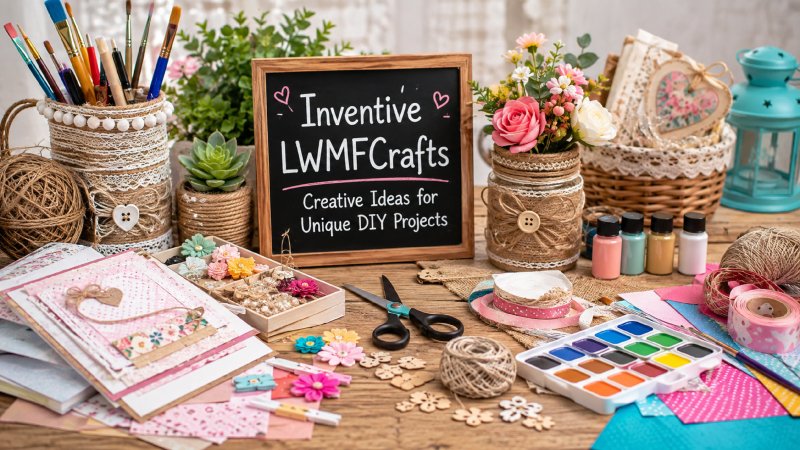
Creativity does not always require expensive tools, complicated techniques, or a large workspace. Sometimes, the most interesting creations begin with a simple idea and a few materials that are already available at home. Inventive LWMFCrafts represents this kind of creative thinking, where ordinary supplies can become attractive, useful, and personalized handmade projects.
Crafting gives people an opportunity to experiment, express their personality, and create things that feel more meaningful than mass-produced items. A piece of paper, an unused container, a small piece of fabric, or leftover decorative material can become the starting point for something completely different.
The beauty of Inventive LWMFCrafts is the freedom to explore. There is no single way to approach a creative project. You can follow a basic idea, change its colors, combine different materials, or develop your own design from scratch.
What Is Inventive LWMFCrafts?
Inventive LWMFCrafts can be understood as a creative approach to handmade projects that emphasizes imagination, experimentation, and personal design. Instead of simply reproducing a finished craft, the focus is on finding new ways to use materials and develop ideas.
The word “inventive” is especially important because creativity often grows when you look at familiar materials differently. A basic object does not have to remain in its original form. With some planning and imagination, it can become part of a decorative piece, useful organizer, gift, or personal keepsake.
The Idea Behind Creative Crafting
Creative crafting begins with curiosity. You may notice an unused item and wonder how it could be transformed. That simple question can lead to an entirely new project.
An inventive approach also encourages experimentation. You can test different combinations, change proportions, introduce new textures, or create an unexpected color scheme. Even when the first attempt is not perfect, the process can teach you something useful for the next project.
Why Creative Craft Projects Are Appealing
Handmade projects offer something that ready-made products often cannot: personal involvement. You decide how the finished piece should look and what purpose it should serve.
Crafting can also be flexible. Some projects can be completed quickly, while others can become detailed weekend activities. You can choose according to your available time, experience, and materials.
What Makes Inventive LWMFCrafts Different?
The strongest quality of Inventive LWMFCrafts is its emphasis on originality. A craft does not have to be complicated to feel special. A thoughtful modification can completely change the character of a familiar project.
Creativity Comes First
Rather than beginning with the question, “What should I copy?” try asking, “What can I create differently?” This small change in thinking can make crafting more exciting. You might alter a traditional design, combine two project concepts, or use an unusual material for a familiar purpose.
Practical and Decorative Possibilities
Crafts can be beautiful and useful at the same time. A handmade storage container, for example, can organize a desk while adding personality to the room.
Likewise, decorative projects can make ordinary spaces feel more personal. Handmade wall pieces, ornaments, containers, and displays can reflect individual preferences without requiring a complete room makeover.
Personalization
Personal touches can make a handmade creation much more meaningful. Colors can match a room, patterns can represent a favorite style, and small details can be added to commemorate a person, occasion, or memory. This flexibility makes every finished project different, even when two people begin with a similar basic idea.
Creative Project Ideas Inspired by Inventive LWMFCrafts
There are countless directions you can explore with Inventive LWMFCrafts. The best project is often one that matches your interests and encourages you to experiment.
Handmade Home Décor
Home décor is an excellent area for creative crafting. Simple handmade decorations can introduce character without overwhelming a space. You might create a personalized wall display, decorative container, tabletop centerpiece, or small ornament. Instead of trying to make everything elaborate, focus on balance, neat finishing, and a design that works with the surrounding space. A handmade item can also become a conversation piece because it has a story behind it.
Upcycled Craft Projects
Unused household materials can provide excellent starting points for inventive projects. Containers, cardboard pieces, fabric scraps, packaging materials, and other objects may have another useful life. Before throwing something away, consider whether its shape, texture, or material could work in a craft project. Upcycling also encourages creative problem-solving. Instead of purchasing something new, you can challenge yourself to create a useful alternative from what you already have.
Personalized Gifts
Handmade gifts can carry a personal quality that makes them memorable. A customized decorative box, handmade card, photo display, or small keepsake can be adapted to the recipient. The key is not the price of the materials. Thoughtful details often matter more. Choose colors, patterns, words, or designs that connect with the person receiving the gift.
Simple Crafts for Beginners
Beginners should not feel pressured to start with complicated designs. Simple projects are often the best way to understand basic techniques. Start with materials that are easy to handle and choose a project with a manageable number of steps. Once you become comfortable, you can introduce more detailed patterns, layered designs, or different materials.
The goal is to build confidence while enjoying the process.
Materials You Can Use for Inventive LWMFCrafts
One of the most enjoyable parts of crafting is discovering how many materials can become creative resources.
Paper and Cardboard
Paper and cardboard are versatile and easy to modify. They can be folded, cut, layered, painted, decorated, or shaped into different forms. They are especially useful for practicing designs before moving to more expensive materials.
Fabric and Yarn
Fabric scraps and yarn can introduce softness, texture, and color. They work well for decorative pieces, small accessories, textile-based projects, and personalized creations. Different textures can also be combined to create a more interesting finished appearance.
Wood
Small wooden pieces can provide a sturdy foundation for decorative or functional crafts. Depending on the project, they can be painted, decorated, engraved, or combined with other materials. Always choose tools and techniques that match your experience level.
Recycled Household Items
Everyday objects can become surprisingly useful craft materials. Empty containers, packaging, unused stationery, and leftover materials may provide shapes or surfaces for new projects. Look at an item for what it could become rather than only what it was originally designed to do.
Decorative Supplies
Paint, beads, ribbons, buttons, stickers, thread, and similar supplies can add finishing details. However, decoration should support the design rather than hide weak construction. A few carefully selected details can often create a stronger result than excessive decoration.
How to Start Your Own Inventive LWMFCrafts Project
Starting a project becomes easier when you divide the process into manageable stages.
Choose Your Project
First, decide what you want to create. Think about its purpose, size, materials, and expected level of difficulty. If you are a beginner, select something that can be completed without too many complicated techniques.
Gather Your Materials
Prepare your materials before beginning. This helps you understand whether your original idea is realistic and prevents unnecessary interruptions. You may also discover that you already have suitable supplies instead of needing to purchase additional items.
Sketch Your Idea
A quick sketch can clarify the design. It does not need to look professional. Even a rough drawing can help you understand the shape, arrangement, and proportions. Use the sketch as a guide rather than treating it as an unchangeable rule.
Build and Experiment
Now begin creating. Test your materials and observe how they behave. If something does not work as expected, adjust the design instead of immediately abandoning the project. Creative work often develops through small changes.
Add Personal Details
Once the basic structure is complete, introduce details that make the project yours. Consider colors, patterns, textures, lettering, shapes, or other decorative elements. The finishing touches should complement the overall design.
Tips for Better Inventive LWMFCrafts
A few simple habits can improve both the process and the finished result.
Start small. A manageable project allows you to learn without becoming overwhelmed.
Experiment freely. Not every idea will work, and that is part of creative development.
Reuse what you have. Look around your home before buying new supplies.
Pay attention to finishing. Clean edges, secure attachments, and thoughtful details can make a major difference.
Mix materials carefully. Combining textures can create visual interest, but too many unrelated elements may make a project feel cluttered.
Keep successful ideas. Take notes or photographs of projects you enjoy so you can develop similar techniques later.
Benefits of Exploring Inventive LWMFCrafts
Crafting is more than simply producing an object. The creative process itself can be rewarding.
Encourages Creativity
When you regularly create things by hand, you have opportunities to think differently and experiment with possibilities.
Supports Personal Expression
Colors, shapes, patterns, and materials allow you to communicate your individual taste through handmade work.
Creates Personalized Items
Instead of choosing from limited ready-made options, you can design something around your own requirements.
Encourages Resourcefulness
Working with available materials can teach you to find alternative uses for everyday objects.
Provides an Enjoyable Creative Activity
Crafting gives you something tangible to work on from beginning to end. Watching an idea gradually become a finished object can make the process particularly satisfying.
Common Mistakes to Avoid
Even simple craft projects can become frustrating when basic planning is overlooked. One common mistake is choosing a project that is far beyond your current skill level. Start with manageable ideas and gradually increase the complexity. Another mistake is buying too many materials before understanding the project. Begin with the essentials and add supplies when they are genuinely needed. Rushing can also affect the final result. Give adhesives, paint, or other materials enough time to settle when required. Finally, avoid focusing only on appearance. A beautiful project should also have sound construction if it is intended for regular use.
How to Make Your Craft Projects More Original
Originality does not mean inventing an entirely new craft category. Sometimes, a small change is enough to create a distinct result. Try changing a traditional color combination. Combine two materials that you normally would not use together. Add a practical function to a decorative object or transform a familiar design into something that better suits your personal style. You can also take inspiration from everyday surroundings. Nature, architecture, clothing, furniture, packaging, and even ordinary household objects can spark creative ideas. The important thing is to use inspiration as a starting point and then develop the concept in your own direction.
Frequently Asked Questions About Inventive LWMFCrafts
What is Inventive LWMFCrafts?
Inventive LWMFCrafts refers to a creative approach to handmade projects that emphasizes originality, experimentation, personalization, and thoughtful use of materials.
What materials can beginners use?
Beginners can start with accessible materials such as paper, cardboard, fabric scraps, yarn, recycled household items, paint, and simple decorative supplies.
Are Inventive LWMFCrafts projects suitable for beginners?
Yes. Beginners can choose simple projects and gradually develop their skills. Starting with manageable designs makes it easier to learn basic crafting techniques.
How can I make my craft projects more original?
Experiment with colors, materials, shapes, textures, and practical functions. Modifying a familiar idea with your own creative choices can make the final result more personal.
Can recycled materials be used?
Yes. Many everyday items can become useful craft materials. Reusing objects can also encourage creative thinking because you have to consider new purposes for familiar things.
How do I choose the right craft project?
Consider your skill level, available time, materials, and the purpose of the finished item. Choose something challenging enough to be interesting but manageable enough to complete comfortably.
Conclusion
Inventive LWMFCrafts is ultimately about seeing creative possibilities where others might see ordinary materials. A successful craft does not need to be expensive or extremely complicated. What matters is the idea behind it, the care invested in the process, and the personal choices that make the finished piece unique.
Whether you are creating home décor, a personalized gift, an upcycled project, or a simple beginner craft, experimentation can help you discover new possibilities. Start with materials you already have, develop a basic idea, and allow yourself to make changes along the way. Click here for more information.
The most valuable part of crafting is not always the finished object. It is the opportunity to imagine something, work with your hands, solve small problems, and turn an idea into something real. With that mindset, every simple material can become the beginning of an inventive creation.